
The Life Cycle of a Praying Mantis: Practical Insights for Every Stage
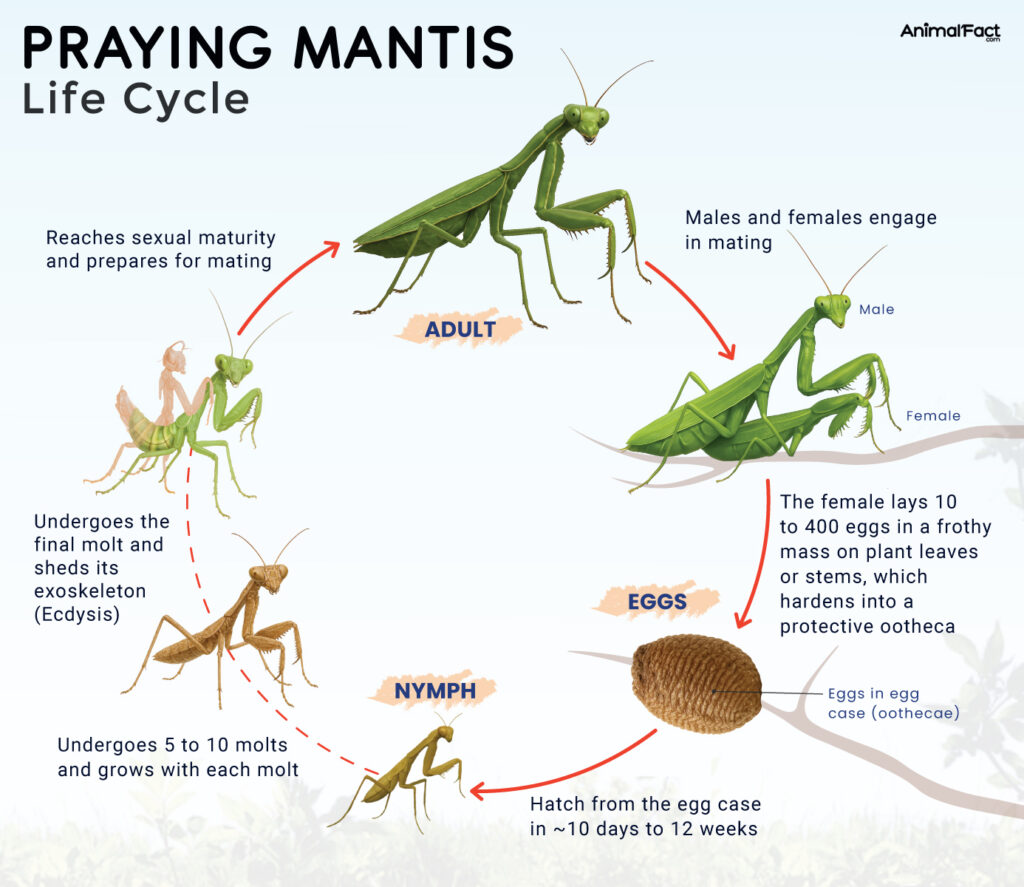
The Life Cycle of a Praying Mantis: From Egg to Adult
The first time I found a praying mantis egg case on my garden fence, I almost scraped it off without thinking. It looked like a bit of dried foam glued under the wood, nothing remarkable unless you know what you’re looking at. Pure curiosity made me stop and look closer, which ended up teaching me more about insect life cycles than any book ever did.
Here’s how a praying mantis grows from a tiny egg to an adult hunter, and how small decisions can make or break their journey.
Egg Case: Nature’s Weatherproof Nursery
A mantis doesn’t just lay eggs on leaves or in the soil. She creates an ootheca, a tough, spongy mass that protects and insulates her eggs through winter.
- How it works:
After mating in late summer or fall, the female mantis coats her eggs in a frothy secretion, which quickly hardens to form separate chambers for each embryo. This structure keeps hundreds of eggs safe from cold snaps, predators, and dry air. - Key detail:
The ootheca is designed for outdoor conditions. Cold temperatures and steady humidity act as natural timers so the young hatch in spring when food will be available. - What goes wrong:
An illustrative example: A neighbor once brought an ootheca inside “to protect it.” The warm air triggered early hatching. Dozens of nymphs emerged in February with nothing to eat. Without live prey or the right humidity, they didn’t survive.
Bottom line:
If you find an ootheca outdoors, leave it where it is unless it’s in danger (like on firewood). If you must move one, keep it cool and only mist lightly, not wetting it, to avoid drying out the eggs or causing mold.
Hatching Nymphs: Survival Begins With Sibling Rivalry
Mantis nymphs don’t start out as helpless larvae, they emerge as miniature hunters.
- How they hatch:
When spring warmth arrives, each nymph cuts open its tiny cell using special mouthparts and squeezes through small slits in the case. They all drop out within minutes. - Why so many?
By hatching together, sometimes hundreds at once, a few have a better shot at survival, even if most will not make it. Food is scarce, and siblings are often the first meal available. - Immediate risk:
In a composite classroom project I’ve seen repeated over years, kids watched dozens of nymphs hatch in a jar. Within hours, most were gone, eaten by their brothers and sisters before anyone could separate them or add food.
Care tip:
If you want to raise mantises from an egg case indoors, prepare individual containers and plenty of tiny live insects (like fruit flies) ahead of time. Cannibalism happens quickly if nymphs stay crowded or hungry.
Molting: Growing Up Means Shedding Your Skin
Mantises don’t grow gradually, they shed their skin to get bigger.
- The process:
When their shell gets tight, enzymes loosen seams along the back. Hanging upside down for use, each nymph splits its old skin and wriggles free with a soft new body underneath. - Why molting is risky:
Humidity must be just right. Air that’s too dry (often from indoor heating) makes the new shell harden too fast; too much moisture causes fungal problems. - Composite example:
In one school experiment I heard about repeatedly, several mantises lost legs during molts when forced-air heat dried out their habitat. After adding damp sponges to keep things moist but not soggy, the problem disappeared.
What matters most:
Give molting mantises space to hang without disturbance and adjust humidity if you see bent legs or stuck skins after molts.
Adulthood: Wings Are the Last Step
A mantis isn’t truly an adult until after its final molt, when wings appear for the first time.
- Growth pattern:
Mantises spend weeks as wingless “teenagers” before growing wings during their last molt, usually by midsummer. - Differences between males and females:
Adult males are slimmer with longer wings for flying; females are heavier and less likely to fly far since they need energy for laying eggs. - Cannibalism risk continues:
Even as adults, mantises may eat each other if kept together, especially females eating smaller males or rivals.
Practical advice:
Only keep one adult per enclosure unless you have plenty of space and hiding spots.
When Things Go Wrong: How to Spot Problems Early
- Egg case doesn’t hatch?
It probably got too dry or too warm over winter. - Nymphs die off fast?
Overcrowding or no food right after hatching is usually why. - Deformed adults?
Disturbed while molting or low humidity can cause limbs to twist or stick.
Catch these issues early by checking environments regularly, especially humidity at molting times, and always planning live food before hatching starts.
A Simple Analogy That Makes Sense
Think of each molt like shrugging off an old jacket that no longer fits, instead of turning into something completely different like a butterfly does in a cocoon. Mantises grow step by step by leaving their old skin behind until they reach full size with wings.
What To Do Next: Clear Steps For Success
If you’re curious about raising mantises:
- If you find an egg case outside in a safe spot, leave it there.
- If bringing one indoors (for observation), keep it cool (no warmer than outdoor spring temperatures); mist lightly every two weeks but never soak.
- Have live food ready before hatching day (fruit flies work well).
- Separate nymphs quickly after hatching to prevent cannibalism.
- Check humidity before each molt; add moisture if legs curl or molts fail.
If something goes wrong, a stuck molt or early die-off, it’s almost always about moisture levels or lack of prey within hours after hatching., Every spring now I check that same fence plank for new oothecae, the best reminder that sometimes not interfering is the smartest step of all. It’s fascinating how much these little survivors depend on just a handful of hidden cues from their environment, and how easily we can tip the balance either way with just one well-meant mistake or bit of patience.
Raising praying mantises isn’t complicated once you understand what each stage really needs, and why leaving nature’s design alone is often your best bet for success.

