
Cabbage Moth vs Diamondback Moth: Identifying and Managing Garden Pests
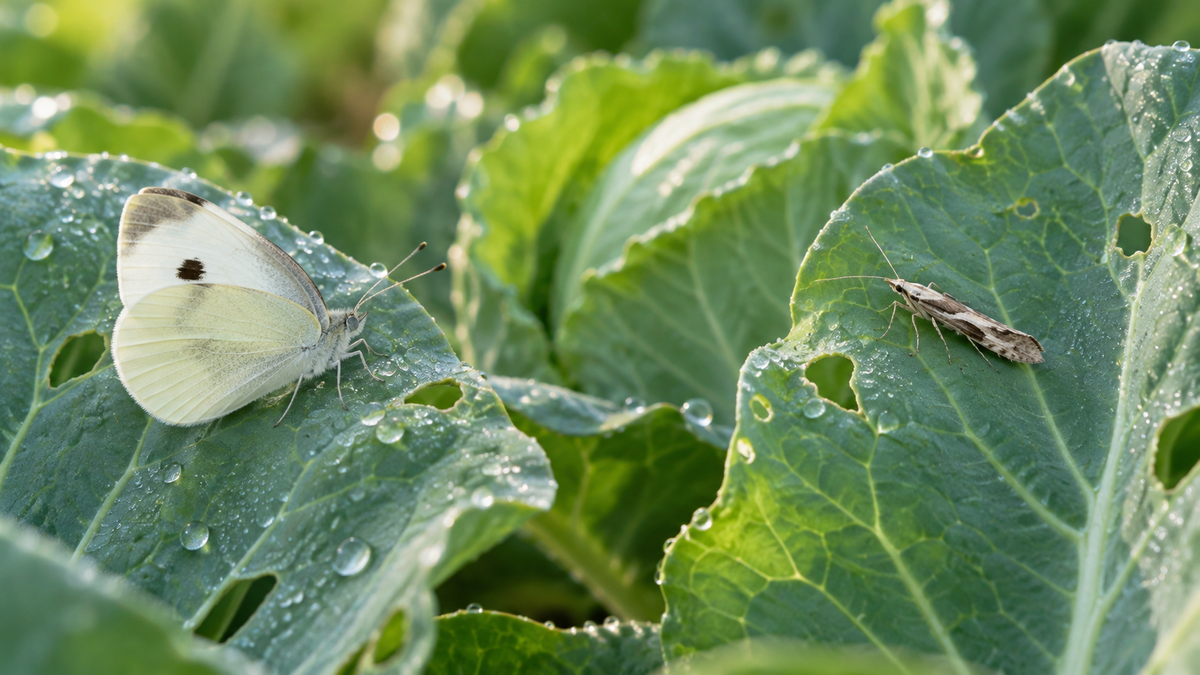
If your cabbage plants are suffering, it's likely due to cabbage moths or diamondback moths. Identifying which pest is responsible is your first step in protecting your garden. Cabbage moths are larger with brown wings and white spots, while diamondback moths are smaller and feature a diamond pattern on their wings. Recognizing these pests early can help you apply the right treatment and save your plants.
How do I know which moth is affecting my garden?
To distinguish between cabbage moths and diamondback moths, observe their physical traits. Cabbage moths, also known as cabbage loopers, are about 1.5 inches long, with light brown or gray coloring and a white spot on each forewing. Diamondback moths are much smaller, about 1/3 of an inch long, with slender wings and a diamond-shaped pattern. The larvae differ as well: cabbage moth larvae are larger, green, with white stripes, while diamondback moth larvae are tiny, green, and taper at both ends.
What kind of damage should I look for?
Damage patterns can help identify the pest. Cabbage moth larvae create large, irregular holes in leaves and leave green insect droppings, potentially skeletonizing the plant if numerous. In contrast, diamondback moth larvae feed on the underside of leaves, causing smaller, ragged holes and giving the leaves a thin, papery appearance. Though often less severe, diamondback moth damage can still impede plant growth.
Why should I care about these differences?
Understanding the specific moth affecting your garden is crucial for effective pest control. Different moths require different management strategies. For instance, certain natural predators are effective against one type but not the other. Timing is also important; applying treatments when larvae are most vulnerable can significantly improve results.
How can I control cabbage moths naturally?
For cabbage moth control, consider companion planting and beneficial insects. Planting herbs like dill, mint, or marigolds can deter moths. Encouraging predators such as ladybugs or lacewings helps manage larvae. Handpicking caterpillars is effective for small infestations, and using floating row covers can prevent moths from laying eggs on your plants.
What are the best ways to deal with diamondback moths?
To manage diamondback moths, focus on cultural practices and targeted treatments. Crop rotation helps break the moths' life cycle. Removing plant debris and tilling soil reduce overwintering sites. Bacillus thuringiensis (Bt) is a biological pesticide effective against caterpillars, and neem oil can disrupt their life cycle without synthetic chemicals.
Are there any chemical options for severe infestations?
For severe infestations, chemical insecticides may be necessary. Choose insecticides specifically labeled for the moth you're dealing with. Pyrethroid-based options work for cabbage moths, while spinosad or indoxacarb are effective for diamondback moths. Always follow label instructions and consider the impact on beneficial insects and garden health.
How can I prevent future infestations?
Preventing infestations involves maintaining good garden hygiene and employing proactive strategies. Rotate crops to prevent pest buildup, and promptly remove plant debris after harvest. Use intercropping with pest-repellent plants, and employ floating row covers to act as a barrier against moths. Keeping plants healthy with proper watering and fertilization also helps.
What if I still can't solve the problem?
If moth infestations persist despite your efforts, seek additional help. Contact local extension services for region-specific advice and solutions. They might offer insights into new control methods or pest-resistant plant varieties. If the problem continues, consulting a professional pest control service may be necessary to protect your garden.
Conclusion
Identify the pest troubling your garden by examining visual signs and damage. Use natural control methods first, focusing on prevention and sustainable practices. If these are insufficient, consider safe chemical options. Maintaining a healthy garden is your best defense against pests. If issues persist, don't hesitate to seek professional advice.
Frequently Asked Questions
How can I tell if I have cabbage moths or diamondback moths?
Check the size and markings. Cabbage moths are larger with brown wings and white spots, while diamondback moths are smaller with a diamond pattern.
What damage do cabbage moths cause?
Cabbage moth larvae create large, irregular holes in leaves and leave behind green frass, possibly skeletonizing the leaves if numerous.
How can I prevent moth infestations in my garden?
Practice crop rotation, keep the garden clean, and use barriers like row covers. Companion planting with herbs that repel moths can also help.
Are chemical insecticides safe to use for moth control?
Yes, but use them as a last resort. Choose products labeled for the moth type you're dealing with and follow instructions to minimize impact on beneficial insects.
Why is it important to distinguish between cabbage and diamondback moths?
Different moths require different control strategies, so identifying the specific pest allows you to choose the most effective methods.

