
Breeding and Lifecycle of Aesculapian Snakes: What You Need to Know
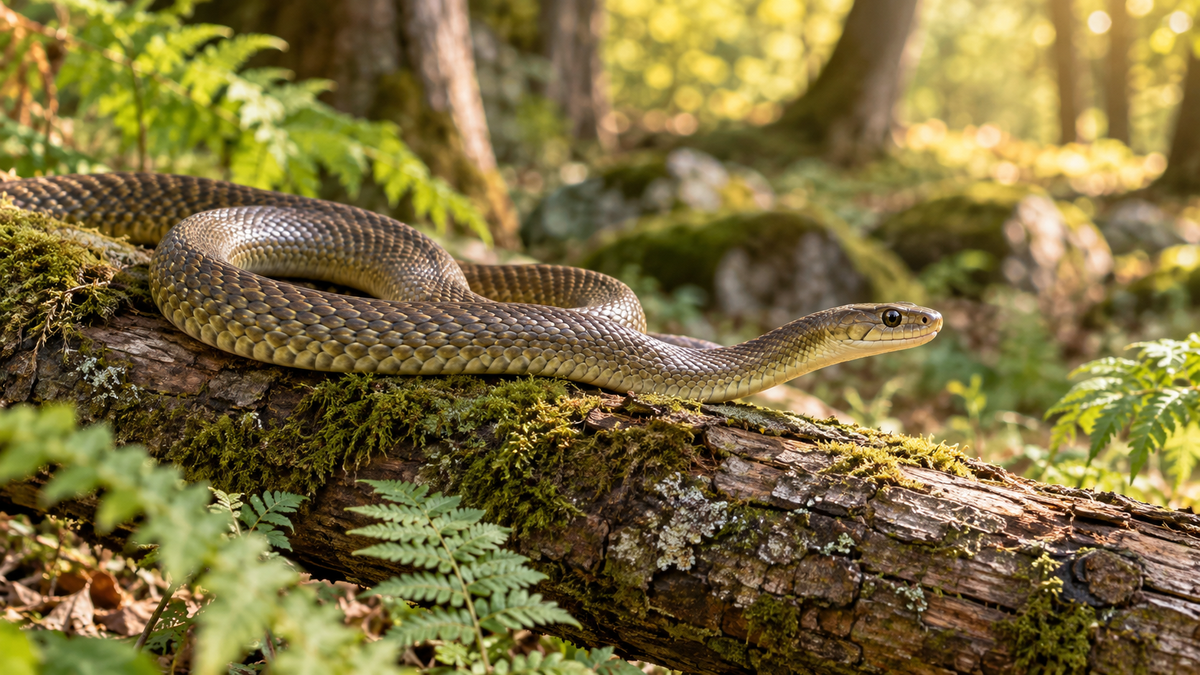
Breeding Aesculapian snakes requires a clear understanding of their specific environmental needs and lifecycle. These European natives thrive when their natural habitats are closely mimicked, particularly in terms of temperature and humidity. Setting these conditions correctly lays the groundwork for a successful breeding program, helping both the snakes and their offspring to flourish.
What are the ideal breeding conditions for Aesculapian snakes?
To breed Aesculapian snakes effectively, you'll need to recreate their natural environment. Set the enclosure temperature to 25-28°C during the day and reduce it to 18-20°C at night. Maintain humidity levels between 50-60%, which is crucial for both egg incubation and snake health. Ensure the enclosure has a light cycle that simulates natural daylight hours and includes ample space with branches and hiding spots to mimic their natural habitat. A well-regulated environment encourages breeding behaviors and supports healthy development from eggs to adulthood.
How do Aesculapian snakes' lifecycle stages unfold?
Aesculapian snakes progress through distinct lifecycle stages, beginning with the egg. Females lay eggs in warm, humid conditions, and these incubate for 60-70 days. Upon hatching, the young snakes are fully formed but vulnerable. They undergo their first shedding within one to two weeks, a critical milestone indicating readiness for feeding. Their diet evolves from small insects to larger prey like mice as they grow. Snakes reach maturity in about three years, during which they undergo several shedding cycles and grow significantly. Understanding these stages is essential for providing appropriate care at each phase.
What challenges might arise during breeding and how can I address them?
Breeding Aesculapian snakes can pose challenges such as infertility or low hatchling survival rates. Infertility often results from inadequate environmental conditions, so regularly monitor and adjust temperature and humidity levels. Hatchling survival can be improved by providing proper food immediately after their first shed. Stress from overcrowding or poor diet can also affect breeding success, so maintain a stress-free environment. Close monitoring and timely adjustments can help mitigate these challenges effectively.
When should I expect key lifecycle events to occur?
Key lifecycle events for Aesculapian snakes are predictable under optimal conditions. Eggs generally hatch within 60-70 days after being laid. Hatchlings undergo their first shed within two weeks, signaling readiness to eat small prey. As they grow, expect regular shedding every few months, indicating healthy development. Sexual maturity is typically reached by age three, although this can vary based on environmental factors and diet. Tracking these events helps manage their care and breeding cycles effectively.
What are the next steps after successfully breeding Aesculapian snakes?
Post-breeding, focus on the care of the young snakes. Maintain ideal temperature and humidity levels, provide appropriate food, and monitor their health. Decide whether to breed them again or raise them as pets. If you plan future breeding, keep detailed records of growth and health issues to inform your efforts. Proper management at this stage ensures the sustainability and success of your breeding program.
Conclusion
Establishing the right environmental conditions is fundamental for breeding Aesculapian snakes. Avoid common pitfalls like improper humidity or insufficient space. Once these basics are covered, closely observe the snakes throughout their lifecycle stages. Successful breeding is marked by healthy growth, regular shedding, and smooth maturation. Continuously refine your setup based on observations to achieve ongoing success.
Frequently Asked Questions
What is the optimal temperature for breeding Aesculapian snakes?
The optimal daytime temperature is between 25-28°C, while nighttime temperatures should drop to around 18-20°C. This range mimics their natural habitat and supports breeding behaviors.
How long does it take for Aesculapian snake eggs to hatch?
Aesculapian snake eggs typically hatch in about 60-70 days when incubated under the right conditions, including proper temperature and humidity.
At what age do Aesculapian snakes reach sexual maturity?
Aesculapian snakes usually reach sexual maturity around the age of three, though this can vary depending on environmental factors and diet.
What should I feed hatchling Aesculapian snakes?
Hatchlings should be started on small prey, such as pinkie mice, shortly after their first shedding. This provides the necessary nutrition for their growth and development.
How can I improve the survival rate of Aesculapian snake hatchlings?
Ensure they have the right environmental conditions, provide appropriate food immediately after their first shed, and maintain a stress-free environment to improve their survival rate.

